DTF/UV Ink
DTF/UV Ink
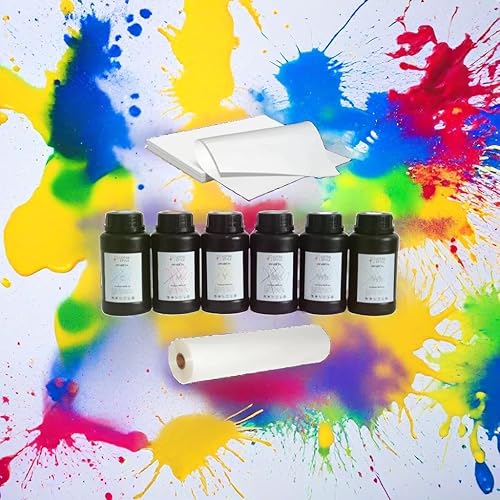
DTF and UV inks are specialized printing consumables used in direct-to-film (DTF) transfer processes, with UV variants offering advanced curing properties. DTF ink typically relies on water-based or pigment formulations cured via powder and heat, while UV DTF ink hardens instantly under ultraviolet light for faster production on films like PET.
Common UV DTF setups include CMYK colors plus white (for opacity on dark substrates) and varnish (for gloss/protection). Brands like Color Prime or R-JET PRO offer 1kg kits compatible with Epson printheads.
Advantages of DTF/UV Ink
DTF and UV inks offer superior versatility and durability compared to traditional printing inks. They enable high-quality prints on diverse substrates with vibrant colors and quick production times.
Key Advantages
DTF inks excel in flexibility, allowing prints on fabrics and textiles that withstand washing without cracking or fading. UV inks cure instantly under UV light, providing scratch resistance and adhesion to rigid surfaces like metal, glass, and plastic.
Print Quality Benefits
Both deliver sharp, high-resolution images with vivid saturation and no color shifting.
UV DTF combines these for exceptional detail on curved or 3D objects.
Efficiency and Cost Savings
No heat press is needed for UV inks, speeding up turnaround and reducing equipment costs. DTF supports small-batch customization with minimal waste, while UV processes lower long-term ink and production expenses.
Which Substrates work best with UV DTF inks
UV DTF inks excel on smooth, non-porous, or rigid substrates due to their instant UV curing, which ensures strong adhesion and vibrant, durable prints.
Top Substrates
Glass provides clear, fade-resistant results ideal for glassware and decor, while metal, like aluminium or steel, offers scratch-proof durability for signs and tags. Plastics such as acrylic, polycarbonate, and PVC work well for promotional items and packaging, thanks to their versatility and wear resistance.
Additional Options
Ceramics suit mugs and tiles with glossy, washable finishes, and wood adds a natural texture for custom signs, though it may need surface prep. Clean, flat surfaces generally yield the best outcomes across these materials.
How to prepare different substrates for UV DTF printing
Proper substrate preparation ensures strong adhesion, vibrant colors, and long-lasting UV DTF prints by removing contaminants that could cause defects.
General Steps
Clean all surfaces thoroughly with isopropyl alcohol or mild soap to eliminate dust, oils, grease, and fingerprints. Use a lint roller for fabrics or a static brush for films, then let them dry completely before printing.
Material-Specific Prep
For glass, metal, and ceramics, wipe with alcohol and apply adhesion promoter if needed for textured areas. Plastics and wood require smoothing rough spots, degreasing, and possibly priming to enhance bonding on porous or uneven surfaces.
Application Tips
After printing the UV DTF film, align precisely on the prepped substrate and apply heat (90-120 degree farenheit) with a laminator or press for secure transfer. Test on scraps to optimize settings for each material type.