Roll To Roll Fusing Machine
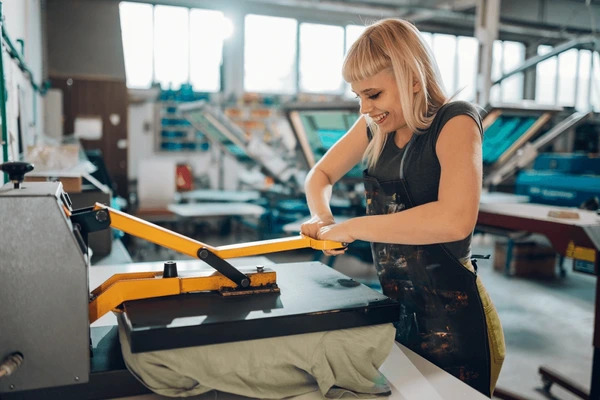
Fusing Machine
Temperature: 50-250 degree celsius
Pressure: 2-6 kg/cm2
Rapid Heating: Under 5 Minutes
Models: 220-440V suit local power standard
Digital textile fusing machines, also known as heating or heat press machines, apply controlled heat and pressure to fix inks or adhesives onto fabrics after digital printing processes like DTF or sublimation.
These machines ensure durable prints on textiles such as cotton, polyester, and blends by transferring designs from film or paper.
Fusing Machine System
A fusing machine system bonds fabrics or materials, like interlinings, to garments, using controlled heat, pressure, and time in the textile and garment industry.
These machines activate adhesives on one layer to create a strong, stitch-free bond, enhancing garment structure and durability.
Key Components
Fusing machines typically include a feed sheet or conveyor belt to carry fabrics, a heated chamber for applying temperature, pressure rollers powered by springs or pneumatics, and a cooling system to set the bond.
Delivery sheets or belts prevent sticking and ensure smooth output, while controls adjust temperature (often up to 200 degree celsius), pressure (e.g., 6-8 kg/cm2), and speed.
Main Types
Continuous heating machines: Use revolving belts to process rolls or parts steadily, ideal for high-volume production like collars and cuffs.
Flatbed or press machines: Apply pressure via a descending head on a buck for precise, smaller items; often pneumatic with cooling fans.
Roller type: Feature paired rollers for even pressure on wide fabrics, suitable for interlining and laminating.
Operation Process
Place the base fabric and adhesive-coated interlining on the feed sheet, which carries them into the heated chamber where pressure rollers activate the glue.
Fused parts are then moved to a cooling area before flat removal to avoid distortion. Settings are preset for fabric type to ensure uniform bonding without damage.
Continuous Fusing Machine
Continuous fusing machines, also known as continuous heating or heat transfer presses, apply uniform heat and pressure to fabrics in digital textile printing workflows like DTF and sublimation for ink curing and transfers.
These machines enable high-volume, roll-to-roll or conveyor-based production, ideal for optimizing workflows in the indian textile industry.
Flatbed or Press Machine
Flatbed machines and press machines serve overlapping roles in textile and garment finishing, but flatbed presses are typically specialized for flatwork like sheets and linens. Both apply heat and pressure for ironing or fusing, yet choices depend on workflow needs in digital textile printing.
Roller Fusing Machine
Roller fusing machines, also known as roller heat press machines, are specialized equipment used primarily in digital textile printing for roll-to-roll sublimation transfers. These machines apply heat and pressure via a heated oil-filled roller to fix designs onto fabrics efficiently. They are popular in industries like garment manufacturing for high-volume production.

| Feature | Specification |
|---|---|
| Power Consumption | 5-15 kW |
| Max Temperature | 150-350 degree celsius |
| Voltage | 220-380V |
| Heating Plate Size | 200x235 mm or larger |
| Pressure | Up to -150 Pa (air suction) |
| Dimensions | 1200x750 mm table typical |