1200MM Heat Transfer Machine
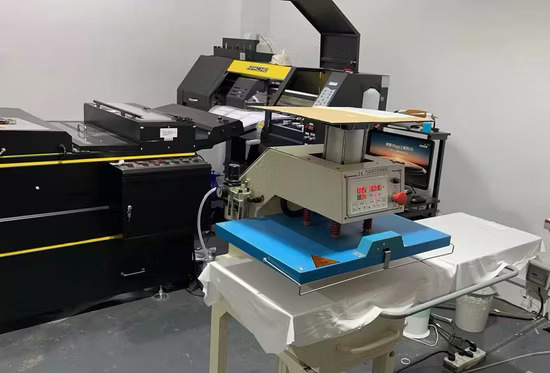
1200 mm Heating Machine
Roller Width – 1200 mm (47 inches)
Diameter – 210 mm
Speed – 0-6 m/per minute
Power – 7 kW
Temperature – 399 degree celsius
Voltage – 220/380/420V 3-phase
A 1200 mm heating machine in the digital textile industry refers to equipment like roll-to-roll heat transfer or sublimation ovens designed for processing fabrics up to 1200 mm wide. These machines apply heat and pressure to fix inks onto textiles during sublimation, DTF, or heat transfer printing workflows. They suit small to medium production runs for items like T-shirts, banners, and apparel.
A 1200 mm heating machine in the digital textile industry refers to a conveyorized or roll-to-roll heat press or curing oven designed for widths up to 1200 mm (about 47 inches), commonly used for DTF, sublimation, or pigment ink fixation on fabrics post-printing. These machines ensure uniform heat application to cure inks, prevent fading, and enhance wash fastness in production workflows. They suit small to medium-scale operations.
Key Features
Typical 1200 mm models feature belt widths matching fabric rolls up to 1200 mm, temperature ranges of 150-220 degree celsius, and speeds from 1-10m/min for efficient throughput. Infrared, hot air, or oil-heated drums provide even heating, with digital controls for precise temp/time settings vital for DTF workflows. Safety elements include exhaust systems and auto-shutoff to handle high-volume runs without overheating.
Common Applications
These machines excel in curing reactive, disperse, or DTF inks on polyester, cotton blends, or knits after digital printing. In Sublimation setups, they transfer dyes from paper to fabric; for direct-to-fabric, they fix pigments post-inkjet. They’re ideal for startups optimizing ROI on printers like those from Epson, handling 50-200 sqm/hour based on speed settings.
Advantages
These machines provide uniform heat distribution across the 1200 mm belt width, enabling consistent ink curing at temperatures up to 200 degree celsius for high-quality results on various textiles. They support solid production rates, such as 280-570 pieces per hour, depending on curing time, ideal for digital workflows with forced air circulation to speed drying. compact designs (e.g., around 4-6 meters long) and safety features like thermostats reduce downtime and energy waste compared to traditional methods.
Disadvantages
High power consumption (up to 39 kW) drives up operational costs, especially in continuous use, alongside substantial weight (over 1000 kg) that demands robust installation space. Maintenance challenges, including exhaust management (e.g., 360m3/h) and potential nozzle-related issues in linked printing setups, can increase expenses. Limited to specific fabrics without pretreatment and slower for mass production versus conventional systems, they may yellow heat-sensitive materials or require gas dependency.
Optimal curing time and temperature for 1200 mm dryers
Optimal curing for 1200 mm digital textile dryers depends on ink type (e.g., water-based DTF), fabric, and print size, like A4 on T-shirts, typically using hot air convection up to 200 degree celsius max temperature.
Shorter times suit thicker prints needing faster throughput, while longer ensures full polymerization without scorching delicate fabrics.
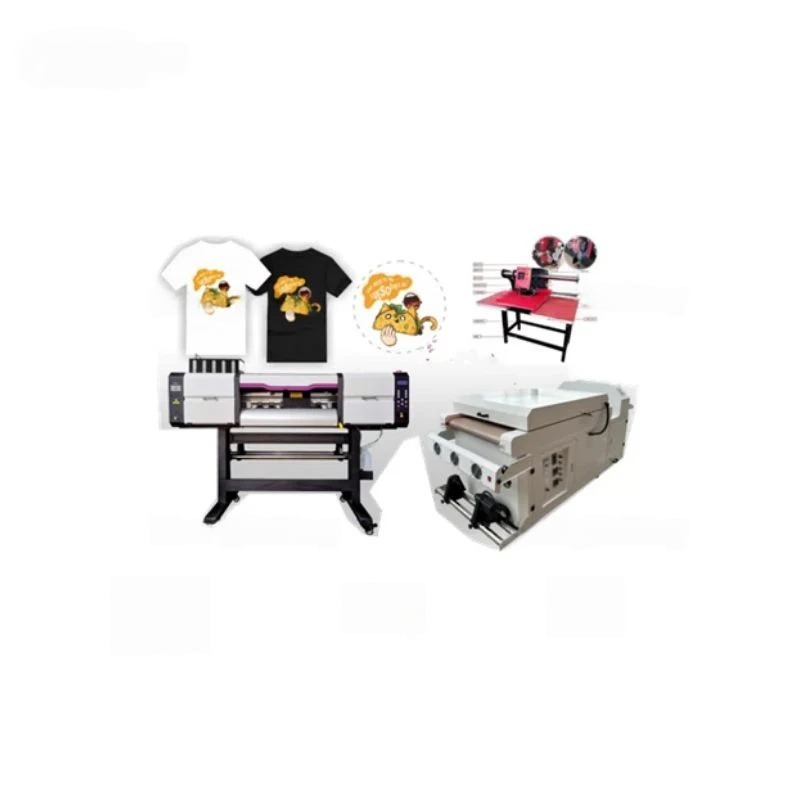
NHG-1200A Heating Machine Specs
| Specification | Value |
|---|---|
| Drum Diameter | 1200 mm |
| Capacity | 800-1000m/hour |
| Power Configuration | Three Phase Four Wire 440V |
| Average Power Consumption | 65KW |
| No. of Heater | 45 nos |
| Heating | Oil Heating (340Ltr) |
| Printing Width | 72 in |
| Weight | 6000 kg |
| Machine Size | 2750mm(Length) 1750mm(Width) 2500mm(Height) |